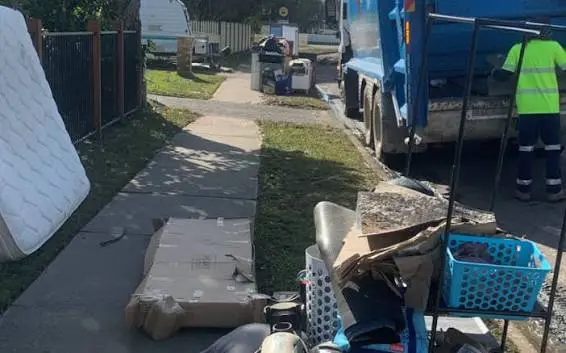
Severe weather can leave residential properties with more debris than a normal renovation or repair project. High winds, heavy rain, hail, flooding, fallen limbs, damaged roofing, broken fencing, ruined siding, soaked drywall, scattered insulation, and loose exterior materials can quickly turn a home into a complicated cleanup site. For residential contractors, the first challenge is often getting the property safe and accessible enough for repair work to begin.
Waste logistics help contractors manage that first phase in an organized way. Instead of letting debris pile up in driveways, yards, garages, and work paths, a clear plan gives crews a controlled process for sorting, staging, loading, and removing damaged materials. A strong cleanup plan also helps protect homeowners, crews, neighbors, and future repair phases.
Start With Safety and Documentation
Before debris is moved, contractors should assess the property carefully. Severe weather can create hazards that are not always obvious at first glance. Downed limbs, unstable fencing, broken glass, wet drywall, damaged roof sections, loose siding, exposed fasteners, standing water, and weakened structures all need attention.
Photos and notes should be taken before major cleanup begins, especially if insurance, property management, or homeowner documentation may be involved. Contractors should avoid rushing damaged materials into a dumpster before the scope is reviewed. The first step is to understand what happened, what needs removal, and what should be documented before disposal.
Separate Emergency Access From Full Cleanup
After a storm, contractors may need to clear access before performing a full cleanup. This may include opening the driveway, clearing a walkway, removing debris from doors, creating a path to utility areas, or making space for restoration crews. Emergency access and full debris removal are related, but they are not always the same task.
The first pass should focus on safe movement. Crews may need to move limbs, loose boards, roofing pieces, broken trim, or scattered materials out of the way before detailed sorting begins. Once access is restored, the larger waste plan can be handled more efficiently.
Identify the Main Debris Types
Severe weather cleanup often involves several debris categories. A wind-damaged home may produce shingles, siding, fascia, soffits, trim, gutters, fencing, branches, insulation, and broken outdoor items. A water-related event may involve wet carpet, drywall, cabinets, flooring, baseboards, furniture, and damaged personal property.
Contractors should identify which materials are organic, construction-related, bulky, heavy, wet, sharp, or potentially hazardous. This helps determine what can be loaded together, what should be staged separately, and what may require special handling.
Understanding the debris mix helps prevent confusion once crews begin working quickly.
Choose Dumpster Placement Carefully
Dumpster placement after severe weather requires more thought than a normal project. Driveways may be blocked, yards may be soft, trees may be down, power lines may be nearby, and access routes may be limited. The container should be close enough for efficient loading but not placed where it blocks restoration work, emergency access, utility crews, or repair deliveries.
Working with Temporary Dumpster can help residential contractors coordinate dumpster rental timing and placement for storm-related cleanup projects. A planned container location gives damaged materials one place to go while keeping the property more organized during repairs.
The right placement supports cleanup without creating another obstacle.
Plan Debris Routes Through the Property
A debris route is the path damaged materials take from the work area to the dumpster. After severe weather, those routes may not be clear. Fallen branches, mud, scattered shingles, broken siding, wet flooring, tools, tarps, and temporary repairs can all block normal movement.
Contractors should clear and mark the main path before heavy loading begins. If debris will move through the home, floor protection may be needed. If crews are working outside, routes should avoid unstable ground, sharp debris, damaged landscaping, and active repair zones.
A safe debris route helps crews move waste without spreading damage.
Keep Wet Materials Under Control
Storm cleanup often includes wet or water-damaged materials. Carpet, drywall, insulation, cabinetry, furniture, flooring, trim, and soaked contents can become heavy, messy, and unpleasant to handle. Wet materials can also drip through the home or across the property if they are moved without planning.
Contractors should remove wet debris in manageable loads. Routes may need plastic sheeting, buckets, or temporary protection to limit mess. If mold, sewage, or contamination is suspected, qualified remediation professionals may need to review the area before general debris removal continues.
Wet debris should be handled with caution and organization.
Watch for Sharp and Scattered Debris
Severe weather can scatter sharp materials across a property. Roofing nails, broken shingles, glass, siding fragments, splintered wood, metal flashing, fence pieces, and broken outdoor items can end up in lawns, driveways, walkways, and planting beds. These materials create risks for workers, homeowners, children, pets, and vehicle tires.
Cleanup should include more than the largest visible debris. Crews should check ground areas carefully and use buckets, bags, brooms, rakes, magnetic sweepers, and hand tools where needed. Small debris collection should happen throughout the project, not only at the final walkthrough.
The small pieces often cause the biggest complaints after cleanup.
Separate Salvageable and Reviewed Items
Some storm-damaged materials should not be discarded immediately. Homeowners may need to keep certain items for documentation, review, repair matching, warranty questions, or insurance discussions. Contractors should clarify what can be disposed of and what needs to be saved.
This may include damaged shingles, siding samples, appliance information, hardware, personal items, fixtures, or materials connected to the damage claim. A separate staging area helps prevent accidental disposal.
Sorting now can prevent problems later.
Coordinate With Repair Crews
Storm cleanup is often the first step before repairs. Roofing crews, siding crews, restoration contractors, flooring installers, electricians, plumbers, tree crews, fencing contractors, and inspectors may all need access to the property. Waste removal should support those next steps instead of competing with them.
Contractors should coordinate dumpster placement with repair staging. New materials, ladders, lifts, tarps, drying equipment, and tools may all need space. If the dumpster blocks the best repair access point, cleanup may help one task while slowing another.
Waste logistics should be tied to the repair schedule from the start.
Account for Yard and Exterior Debris
Residential storm damage often extends beyond the structure. Yards may contain branches, damaged fencing, patio furniture, broken planters, loose gutters, torn screens, shed debris, shingles, siding, and scattered trim. Exterior debris can block mowing, equipment access, drainage, inspections, and repair work.
Contractors should divide exterior cleanup into zones. Start with driveways, walkways, entries, utility access, and work areas. Then move to fence lines, patios, side yards, sheds, and landscaping beds. This order helps restore useful access before moving into detailed cleanup.
A clean exterior makes the rest of the repair work easier.
Monitor Dumpster Capacity
Storm cleanup can fill a dumpster faster than expected. Bulky siding, fencing, branches, wet carpet, drywall, insulation, cabinets, and roofing debris can take up space quickly. Heavy materials can also create capacity concerns even if the container still has visible room.
Contractors should watch fill levels throughout the job. If debris is still coming out and the container is almost full, service should be scheduled before waste starts piling beside it. Overflow debris can create hazards and make the property look worse during an already stressful situation.
A dumpster should keep storm debris contained, not become the center of another mess.
Keep Service Access Open
Dumpster pickup or replacement requires clear service access. After severe weather, access can change from day to day. Tree crews, roofers, restoration vehicles, utility workers, insurance adjusters, delivery trucks, and homeowner vehicles may all need the same driveway or street space.
Contractors should protect the dumpster approach from the beginning. No one should stack debris, tarps, pallets, equipment, or vehicles where the service truck needs to reach the container. If a pickup is scheduled, crews should prepare the area before the truck arrives.
Service access keeps cleanup moving when the site is already under pressure.
Communicate With Homeowners
Storm damage is stressful for homeowners. They may be dealing with insurance calls, temporary repairs, lost belongings, water intrusion, roof damage, or disrupted daily routines. Clear communication about cleanup helps reduce confusion.
Contractors should explain what will be removed, what should be saved, where the dumpster will sit, how long cleanup may affect access, and which areas should be avoided. Homeowners should also know not to place questionable items in the dumpster without checking first.
A calm cleanup process can make the whole repair project feel more manageable.
Avoid Common Storm Cleanup Mistakes
One common mistake is rushing to remove everything before documentation is complete. Another is placing the dumpster where it blocks repair crews, utility access, or emergency movement. Contractors should also avoid mixing wet, sharp, salvageable, and questionable materials without sorting.
It is also a mistake to focus only on large debris while leaving nails, glass, splinters, and siding fragments scattered across the property. A better approach is to document first, clear access, sort materials, protect routes, load steadily, and reset the site before repairs continue.
Waste logistics for cleanup after severe weather impacts residential properties should focus on safety, access, sorting, placement, service timing, and coordination with repairs. Storm debris can include wet materials, sharp scraps, bulky exterior waste, yard debris, and damaged building components that need to be handled carefully.
By assessing the site, documenting conditions, choosing smart dumpster placement, creating clear debris routes, separating reviewed items, coordinating with repair crews, and monitoring capacity, residential contractors can keep cleanup organized. A strong waste plan helps damaged properties move from storm impact toward repair with less clutter, fewer delays, and better control.
Also READ