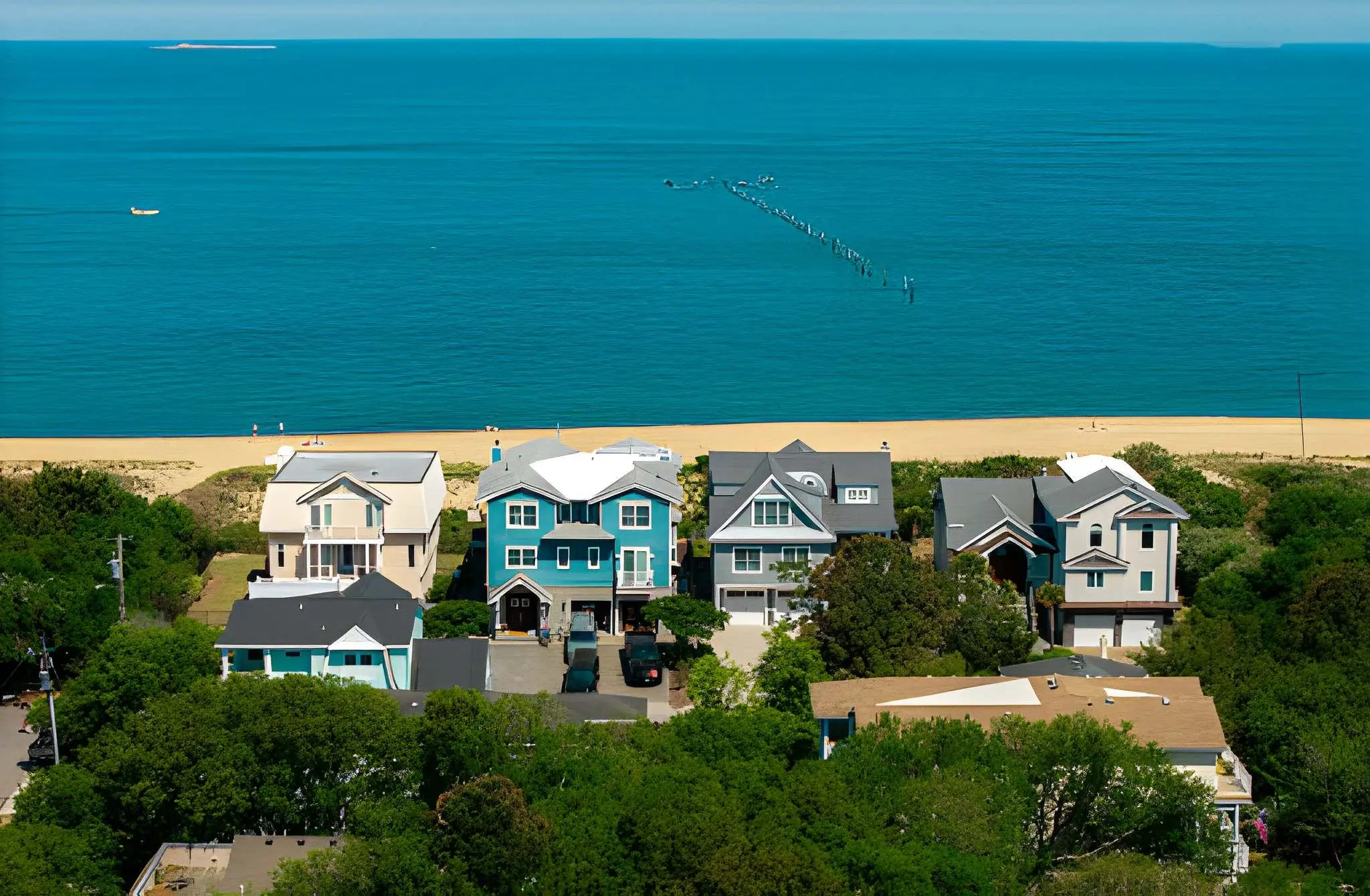
Living by the beach can provide excellent aspects such as fresh sea air and convenient access to the beach, residents can commonly ignore the potential threat of termites which only tends to become evident when costly repairs are required. Virginia’s coastal areas provide ideal conditions for termites due to the combination of heat, humidity and sandy soils. Which is why regular checks and timely termite treatment Virginia Beach homes may need are so important.
Termites work quietly. They feed inside walls, floors and framing, often for years, before anyone sees a sign. Regular inspections are the most reliable way to catch them early.
How the Coastal Climate Helps Termites
There are numerous factors contributing towards this issue. The most common species of termite in Virginia is the Eastern subterranean termite. It resides in vast below-ground colonies and climbs up through the soil into houses. As previously mentioned, termites require a source of moisture and the coastal environment provides plenty of this.
Furthermore, the season is long and humid. Winters are temperate and there is often good rainfall. In addition, sandy soils are easily dug through. Properties close to bays, inlets and marshland frequently have a high water table. This can cause the soil surrounding a property’s foundations to remain moist even during drier periods – again highly favourable for termites.
Home Features That Raise the Risk
In addition, the type of properties in this area can further heighten vulnerability to termites. As the risk is greater in this area in comparison to many non-coastal areas, most residents should consider having their annual Virginia Beach termite inspection. Particular property characteristics of concern include:
Crawl spaces: Many properties are built upon a crawl space. If this remains moist then the timber components above will become weakened and therefore more susceptible to termite attack.
Wood touching soil: Deck supports, fence, porch stairs and doorframes can all provide easy access for termites into a property.
Mulch against the foundation: As well as retaining moisture, this provides termites with concealment as they make their way towards a property.
Poor drainage: Blocked gutters, short downpipes and an incorrectly sloping garden all allow water to accumulate. Again, this encourages termites to gain access to a property.
Despite being newly built, properties are still susceptible to termites. Issues such as excess moisture and timber in contact with soil can affect both new and old properties.
Why Damage Stays Hidden
Subterranean termites chew from within and so an item such as a baseboard or floor joist can appear structurally fine yet in reality be almost empty inside. In addition, termites shun light and air and so travel along ‘mud tubes’. Most termite activity occurs in areas which are infrequently accessed including crawl spaces and wall voids.
Often by the time a resident notices that a floor is sagging or a door is jamming, a termite colony has already been active for a considerable period. Professionals understanding where to examine properties can identify subtle indicators of termite presence well before structural damage is identified.
Signs Worth Watching For
Alongside a professional survey, residents can also watch for the following typical indicators:
- Groups of wings close to windows/doors (typically in Spring)
- Delicate mud tubes on foundation walls and/or crawl space piers.
- Hollow sounding timber.
- Paint that is blistered with no evidence of nearby water leakage.
- Floors that sag, or doors which unexpectedly jam.
Whilst individual indicators may not be highly significant, the presence of two or three can be highly indicative and should prompt residents to consult experts.
What Happens During an Inspection
Externally, surveyors typically analyse foundations, cladding, decks, fencing and drainage. They then investigate a property’s crawl space. Within this, they test, poke and measure the moisture content of joists, beams and sub-flooring. Internally, they assess baseboards, door and window frames and areas near to pipework.
Most surveys last between 1 and 2 hours. Residents should then be provided with an easy to understand summary detailing what was located, its location and level of concern, plus recommendations for moving forward.
Treatment Options If Termites Are Found
Once termite activity has been verified, there are generally two methods of eradication. Firstly, a liquid can be utilised to treat the soil around a property’s foundations. This generates a barrier which termites walk across and then transfer back to their colony. Alternatively, bait can be deployed. This comprises underground bait stations which termites consume and disseminate. Although bait is a slower method of eradication, it is less invasive and can also be tracked.
When deciding on termite treatment Virginia Beach, it is useful to ascertain which product will be used, how long the treatment will last and what re-surveys will entail. Although a treatment will eliminate termites, structural repair can sometimes still be necessary.
Simple Ways to Lower the Risk
Good practice can reduce a property’s appeal to termites. Residents should ensure that gutters are clear and that downpipes slope away from a property. Pipes and air conditioning lines should also be repaired. In addition, there should be space between mulch and a property’s foundations. Firewood should be stored off the ground and away from a property. Finally, a crawl space should be kept both dry and well aired.
Although good practice can be effective, it is not foolproof. However, if adopted alongside annual professional Virginia Beach termite inspection surveys, it offers the optimum level of defence for coastal properties against expensive termite related damage.
Frequently Asked Questions
How regularly should properties on the coast be surveyed for termites?
Generally, properties should be surveyed once a year. Those which have had previous termite issues, or suffer from damp crawl spaces and/or poor drainage, may require more regular surveys. This is particularly pertinent after flooding, significant pipe/leakage and/or storm related damage.
Are new properties susceptible to termites?
Yes. New properties can become termite vulnerable if there is excessive moisture, mulch is positioned next to foundations or if timber is in contact with soil. Therefore, a property’s age does not provide immunity from termites.
Does home owners insurance pay for termite related damage?
Generally not. As termite related damage is usually regarded by most insurance companies as avoidable and linked to maintenance, the most cost-effective method of providing long-term property defence is via regular surveys and early termite eradication.
How long does a survey usually last?
For the majority of properties, a survey will last 1-2 hours. This will depend on both a property’s size and how accessible its crawl space, attic and other areas are for surveyors – all of which can be termite hiding spots.
Is liquid treatment or bait better?
Neither option is universally superior. Liquid treatments form a barrier in the soil. Bait, although slower acting, is less invasive. The most appropriate method will vary depending on both a property and the nature of a termite infestation.
Also Read