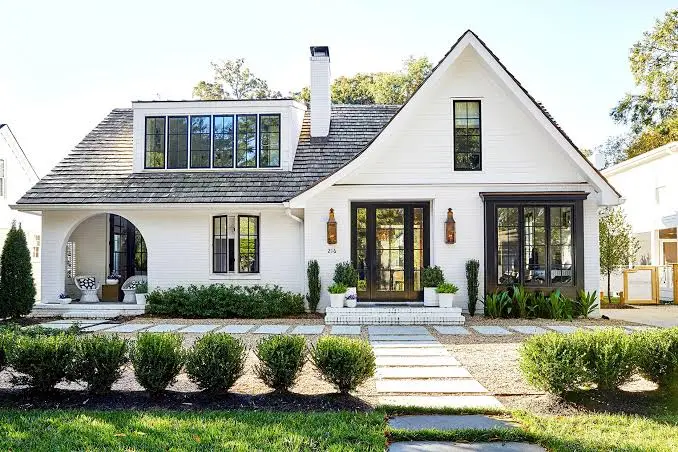
Your home’s exterior is the first thing visitors notice, and it also shields your property from weather, pests, and wear. Over time, rain, UV rays, temperature swings, and regular use take their toll on roofs, siding, windows, and landscaping. Making smart choices about exterior renovations can protect your investment, improve curb appeal, and even reduce energy costs. The question is: where do you start, and how do you ensure your money goes toward projects that truly matter?
Planning Your Exterior Projects Strategically
Before you call contractors or order materials, take time to assess what your home actually needs. Walk around your property on a cloudy day and look for signs of damage, discoloration, or deterioration. Check for missing roof shingles, cracks in the foundation, rotting wood trim, or gaps around windows and doors. These visible problems often indicate deeper issues that will only worsen if ignored. Prioritizing repairs over cosmetic upgrades protects your home’s structural integrity and can save you thousands in emergency repairs down the road.
Create a list of projects and rank them by urgency and cost. Emergency repairs, such as a leaking roof or damaged siding that exposes the house frame, should come first. Next, consider projects that prevent future damage, such as installing gutters, sealing cracks, or replacing old caulking around windows. Finally, add aesthetic improvements like new paint, landscaping, or updated lighting once your home’s protective systems are sound. This approach ensures you build on a solid foundation rather than covering up problems with fresh paint.
Choosing Materials That Stand the Test of Time
The materials you select directly affect how long your renovations will last and how much maintenance they will require. Higher quality materials often cost more upfront but deliver better value over time through durability and lower upkeep. For example, composite siding costs more than vinyl but resists fading, warping, and requires minimal repainting compared to wood or cheaper plastic alternatives. Similarly, architectural shingles outperform basic three-tab shingles in wind resistance and aesthetic appeal, though they carry a higher price tag.
Research local climate conditions to guide your material choices. If you live in an area with heavy rainfall and humidity, materials that resist mold and rot become essential, such as cedar, vinyl, or composite products designed for moisture. In regions with intense sun exposure, prioritize materials with UV protection or coatings that prevent color fading. Coastal properties face salt spray corrosion, making stainless steel hardware and specialized coatings necessary for doors, railings, and metal trim. Your climate determines which materials will perform best and which ones might fail prematurely if mismatched to your environment.
Hiring Contractors and Managing the Work
Finding the right contractor matters as much as selecting the right materials. Start by getting multiple estimates from licensed, insured professionals in your area. Ask for references and follow up by calling previous customers to ask about their experience, whether work was completed on time, and how the contractor handled unexpected issues. Verify that contractors hold current licenses and can provide proof of liability insurance and worker’s compensation coverage. These steps protect you from costly mistakes and help ensure professional quality workmanship.
Establish clear expectations before work begins by putting all agreements in writing. Your contract should detail the scope of work, materials to be used, payment schedule, timeline, and warranty information. Discuss what happens if weather delays the project or if the crew discovers hidden damage requiring additional repairs. A detailed contract prevents misunderstandings and gives you recourse if the contractor fails to meet agreed-upon standards.
During the project, communicate regularly with your contractor and ask questions about progress or techniques being used. Homeowners in central Texas tackling worn or storm-damaged roofing often rely on Austin roofing replacement to manage the full scope of the job, from material selection through final inspection. This approach ensures the work is completed to code and backed by a clear warranty. Staying engaged throughout the process helps catch any deviations from the agreed plan before they become costly problems.
Managing Your Budget and Financing Options
Exterior renovations can run into thousands of dollars, so budgeting carefully protects your finances. Research typical costs for projects in your area by consulting contractors and checking online databases that track regional pricing. Add a contingency buffer of ten to fifteen percent to your budget for unexpected discoveries, such as hidden rot or structural issues revealed during demolition. This safety net prevents the frustration of running out of money mid-project or cutting corners on important work.
If upfront costs feel overwhelming, explore financing options that fit your situation. Home equity loans or lines of credit often offer lower interest rates than credit cards because your home serves as collateral. Some lenders offer specialized exterior renovation loans designed specifically for homeowners pursuing these projects. Energy-efficient upgrades, such as new windows or cool roofing materials, may qualify for tax credits or rebates from local utilities or government programs. Investigate these incentives before finalizing your budget, as they can significantly reduce your actual out-of-pocket costs.
Timing Your Projects for Best Results
The season you choose for exterior work affects both quality and progress. Spring and fall typically offer ideal weather for most projects, with moderate temperatures that help materials cure properly and keep workers comfortable. Summer heat can speed up some jobs but may slow material curing, while winter cold makes many materials difficult to install and creates hazardous working conditions. Plan major projects during seasons that match your climate’s typical weather patterns, and try to avoid starting large projects right before your area’s most challenging season arrives.
Coordinate related projects to save time and money. For example, if you are replacing siding, schedule gutter work at the same time so installers do not have to remove and reinstall gutters twice. Similarly, roof work and chimney repairs fit logically into one project schedule. Coordinating efforts reduces the number of times contractors need to set up equipment and mobilize crews, which lowers overall costs and minimizes disruption to your daily life.
Conclusion
Smart exterior renovations protect your home, enhance its appearance, and increase its value. Begin by assessing your property’s actual needs, prioritizing structural repairs and preventive maintenance before cosmetic upgrades. Choose durable materials suited to your climate and be prepared to invest in quality, which pays dividends through reduced future maintenance. Hire qualified contractors, put agreements in writing, and manage your budget carefully with built-in contingency funds. By planning strategically, timing projects wisely, and making informed choices about materials and contractors, you transform exterior renovations from an overwhelming expense into a sound investment in your home’s future.